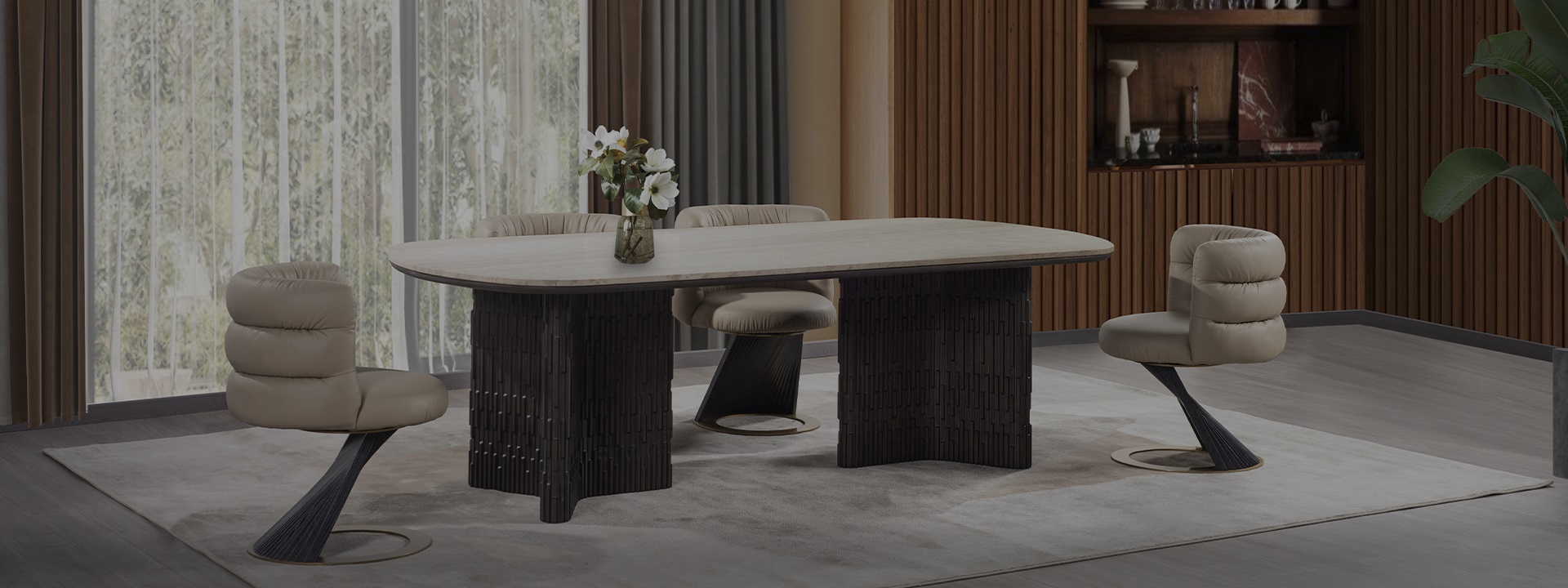
Integrated Furniture Systems: Why Modern Projects Require a System-Based Approach
In today’s residential, hospitality, and mixed-use developments, furniture procurement has evolved into a complex, multi-layered process. Projects are no longer defined by a few isolated furniture purchases; instead, they require coordinated solutions that integrate design intent, manufacturing feasibility, and delivery execution. This shift has led to the growing importance of integrated furniture systems.
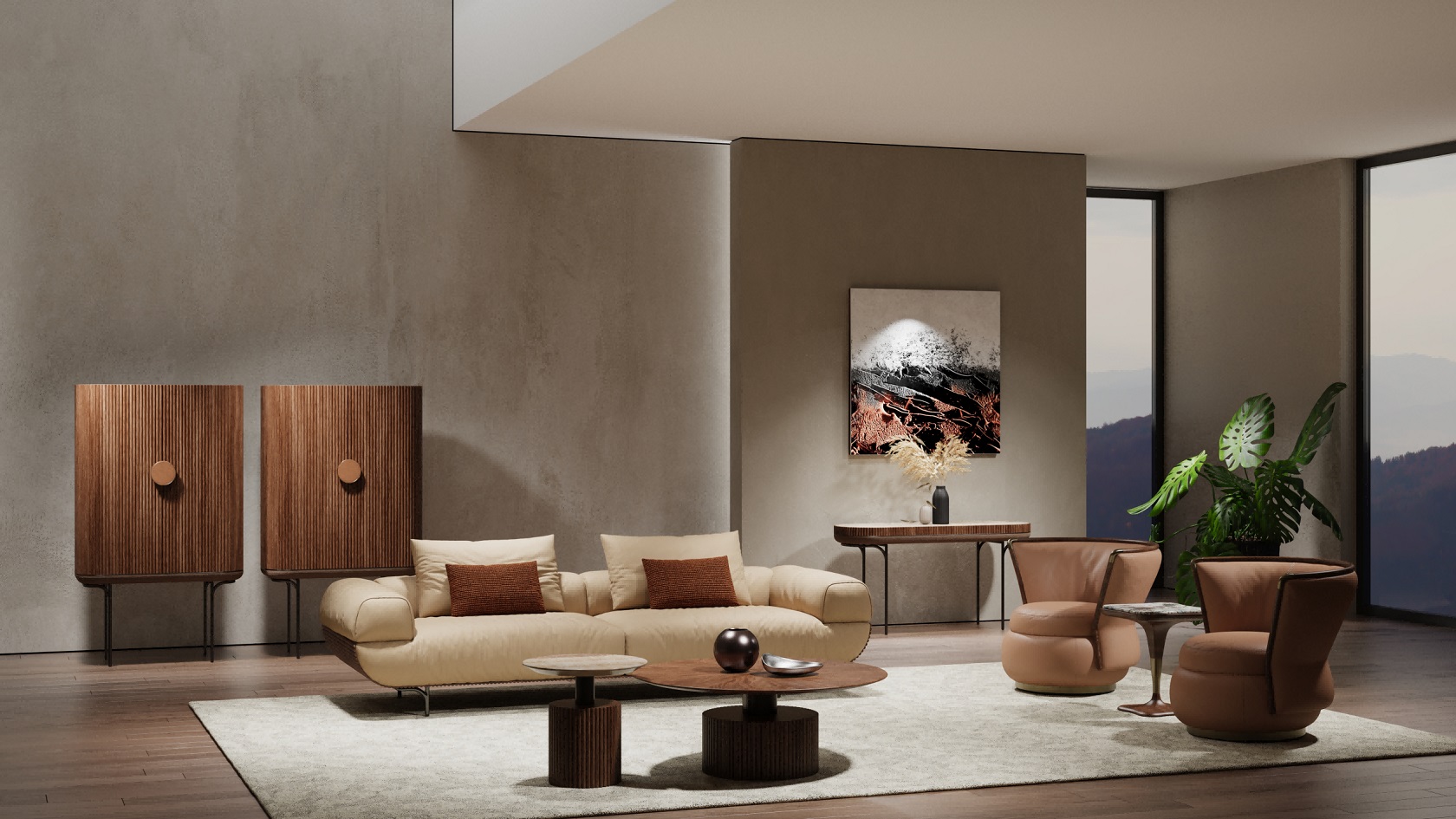
An integrated furniture system treats furniture as part of a holistic spatial solution. Rather than sourcing sofas, cabinets, tables, and storage from separate suppliers, project teams work with a manufacturer capable of coordinating these elements into a unified system. This approach ensures consistency in dimensions, finishes, materials, and structural logic across the entire space.
One of the primary challenges in traditional furniture procurement is coordination. When multiple suppliers are involved, discrepancies often arise. Differences in material tones, dimensional tolerances, and production schedules can result in delays and costly adjustments. Integrated furniture systems reduce these risks by centralizing responsibility within a single manufacturing partner.
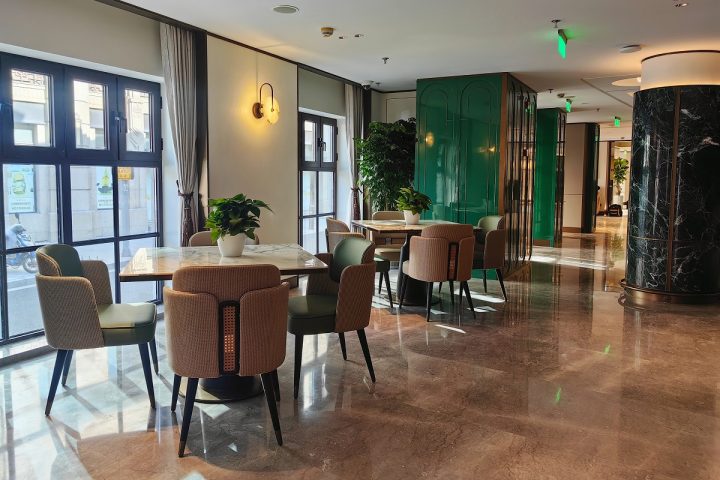
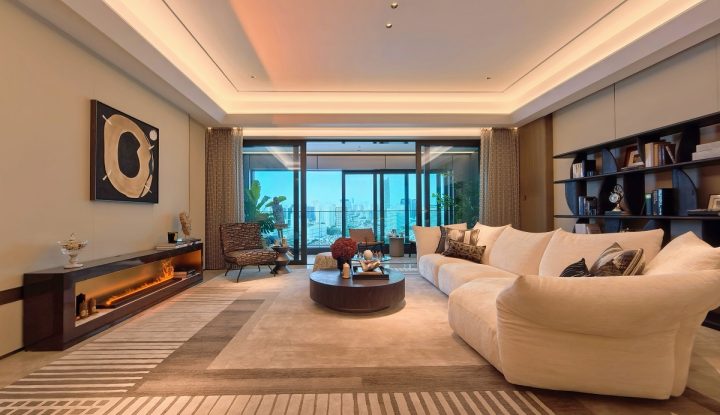
Design consistency is another critical advantage. In high-end residential and hospitality projects, visual coherence plays a major role in perceived quality. Integrated systems allow designers to maintain a consistent design language across multiple functional areas, from living spaces to storage and cabinetry.
From an execution standpoint, integrated systems simplify project management. A single manufacturer can align production timelines, quality standards, and delivery schedules, reducing the administrative burden on project managers. This is particularly valuable in international projects, where communication and logistics already present challenges.
Ultimately, integrated furniture systems are not merely a trend. They represent a practical response to the increasing complexity of modern projects, offering efficiency, clarity, and reduced risk.